




















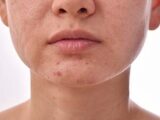
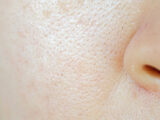
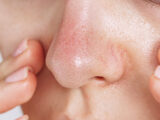
Large pores are more visible openings on the surface of the skin, often seen on the nose, cheeks, and forehead. Pores do not open or close, but their appearance can change. Oil production, collagen levels, and congestion all influence how large pores look. With the right care, you can reduce their visibility and improve skin texture.
Pores are small openings in the skin that release oil and sweat. Each pore connects to a hair follicle and a sebaceous gland. These glands produce sebum, which helps protect and lubricate the skin.
Pore size is largely determined by genetics. Some people naturally have more visible pores, especially in areas where oil production is higher, such as the nose and central cheeks.
When oil builds up or collagen levels decline, the surrounding skin loses support. This can make pores appear stretched and more noticeable. Large pores are not a defect in the skin. They are a structural feature that can become more visible over time.
Several factors influence how visible pores appear. In most cases, more than one cause is involved.
Large pores usually reflect oil activity and collagen support. Managing both factors helps reduce their appearance.
Pores do not physically shrink. Their size is largely set by genetics and the structure of the skin. What you can change is how visible they appear.
When oil production is balanced and congestion is reduced, pores look smaller. When collagen levels improve, the skin around each pore feels firmer and more supported.
This means improvement comes from controlling excess oil, keeping pores clear and protecting the skin from any further sun damage.
With consistent care, the surface of the skin can look smoother and more refined, even though pore size remains structurally the same.
Skin care for large pores should focus on oil control, gentle exfoliation, and collagen support. Consistency produces better results than harsh treatments.
Use a cleanser that removes excess oil without stripping the skin. Over-cleansing can trigger more oil production.
Introduce chemical exfoliation one to three times per week, depending on skin tolerance. Ingredients such as salicylic acid help clear congestion inside the pore. Mild alpha-hydroxy acids can improve surface texture.
Niacinamide may assist in regulating oil flow and refining pore appearance. Sunscreen is essential. Daily UV protection helps prevent further collagen breakdown.
Avoid harsh scrubs or aggressive treatments that irritate the skin. Barrier damage can increase oil production and make pores appear more noticeable.
A balanced routine supports smoother texture and more even skin over time.
At-home care can improve pore appearance, but professional treatments often deliver more visible change. Treatment should address both congestion and collagen support.
Common professional options include:
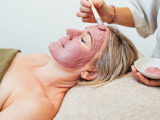
Targeted skin peels help remove built-up dead skin cells and reduce congestion. This can smooth surface texture and refine the look of enlarged pores over time.
Microneedling stimulates collagen production within the skin. As collagen levels increase, the surrounding tissue becomes firmer, which can make pores appear smaller.
LED light therapy may support inflammation control and assist recovery after active treatments. It works well as part of a structured plan.
Treatment intensity should match your skin type and tolerance. A phased approach often produces the most stable improvement. Congestion is addressed first, then collagen support is introduced gradually.
If large pores continue to affect your skin texture or makeup finish, professional treatment can provide more targeted support. A structured approach can address congestion, balance oil production, and stimulate collagen for firmer-looking skin.
Book your consultation today to receive a personalised assessment and treatment plan. You can schedule online or call (07) 5530 7959 to speak with our experienced team.
Smoother, more refined skin starts with the right plan.
Ready to book your consultation?